THE CHAPTER AS A WHOLE — Revelation 1
Revelation 1 is the doorway to the whole book, and John tells you exactly how to read it.
To a modern western reader, “apocalypse” sounds like the end of the world. To John’s first readers — Jewish believers living under Rome — apokalypsis meant an unveiling, a pulling back of the curtain. This is not a book about the world falling apart. It is a book about who is really in charge while it looks like Rome is.
John writes from Patmos, exiled for the Word. He is “in the Spirit on the Lord’s day” when he hears a voice like a trumpet and turns to see one like a son of man — hair white as wool, eyes like fire, feet like burnished bronze, voice like many waters — standing among seven golden lampstands. And here is the key John hands you in verse 20: the seven lampstands ARE the seven churches, and the seven stars are their angels. The book interprets its own symbols. Whenever Revelation shows you a strange picture later on, remember chapter 1 taught you to let the book explain itself.
Now hear what this meant back then. In verses 4-8 Yehoshua is called “the faithful witness, the firstborn of the dead, and the ruler of the kings of the earth.” Every one of those titles belonged to Caesar in the Roman world — faithful, first, ruler of kings. John is telling seven small, pressured churches: the titles Rome claims belong to Someone else. “To Him who loves us and freed us from our sins by His blood” (1:5) — freed, lysanti, the word of the Exodus. They knew exactly what being freed from bondage meant.
And the most tender part for people under pressure: the risen Yehoshua is not watching from far away. He stands IN THE MIDDLE of the lampstands — among His churches, right there in Ephesus, in Smyrna, in every place where His people are suffering. Verse 7 says “every eye will see Him, even those who pierced Him” — John’s readers knew Zechariah 12:10, the pierced one mourned over. The promise is not escape from tribulation; John says in verse 9 he is their “brother and partner in the tribulation.” The promise is presence: He walks among them, He holds their stars in His right hand, and “the keys of Death and Hades” (1:18) belong to Him — not to Rome, not to the grave.
So chapter 1 as a whole says this: the curtain is pulled back, and behind the empire’s noise stands the risen Yehoshua — alive forever, holding His churches, holding the keys — and He tells His people, “Do not be afraid” (1:17).
Verse-by-verse Bible study through Revelation 1:1-11 (Chazon Yochanan), read aloud from the Literal Standard Version with Greek manuscript evidence under every verse.
Full series playlist: https://www.youtube.com/playlist?list=PLDmO0NnRAcvE
THE NAMES: YudHeyVavHey (יהוה) — the Father’s personal name, printed as “LORD” in most English Bibles. Yehoshua (“YudHeyVavHey saves”) — His Son, “Jesus” in English. HaMashiach — “the Anointed One” (“Christ”). Ruach — Spirit. Elohim — God. We use these Hebraic forms in reverence.
STUDY NOTES — verse by verse. [Brackets] mark English helper words added by translators. Hebrew quoted word-for-word from the Tanakh, never invented. “Lord” = kurios (title), never the Name.
1:1 — א (4th c.), no variants.
Lit: “Unveiling of Yehoshua HaMashiach, which Elohim gave to him, to show to his slaves what [things] must come to be in swiftness, and he signified [it], having sent through his messenger to his slave Yochanan.”
Heb, Dan 2:28 (Aramaic): אִיתַי אֱלָהּ בִּשְׁמַיָּא דִּי גָלֵא רָזִין — “there is a God in heaven who reveals mysteries.”
1:2 — א reads ὅσα (“as many as”).
Lit: “who bore witness [to] the word of Elohim and the testimony of Yehoshua HaMashiach, as many [things] as he saw.”
Heb: none verbally exact — the word-and-testimony pair is the book’s own.
1:3 — א, no variants.
Lit: “Blessed [is] the [one] reading and the [ones] hearing the words of the prophecy and keeping the [things] written in her, for the season [is] near.”
Heb, Zeph 1:14: קָרוֹב יוֹם יְהוָה — “near [is the] day of YudHeyVavHey.”
1:4 — P18 (3rd/4th c.); א reads τῶν for ἃ.
Lit: “Yochanan to the seven assemblies in Asia: grace to you and peace from the [One] being and the [one] was and the [one] coming, and from the seven spirits before his throne.”
Heb, Exod 3:14: אֶהְיֶה אֲשֶׁר אֶהְיֶה — “I will be who I will be.” Zech 4:10: שִׁבְעָה אֵלֶּה עֵינֵי יְהוָה — “these seven [are] the eyes of YudHeyVavHey.”
1:5 — P18; א reads λύσαντι, “freed” (not “washed”).
Lit: “and from Yehoshua HaMashiach, the witness, the faithful [one], the firstborn of the dead, and the ruler of the kings of the earth. To the [One] loving us and freeing us from our sins by his blood.”
Heb, Ps 89:28: אַף אָנִי בְּכוֹר אֶתְּנֵהוּ — “also I, as firstborn I will set him.”
1:6 — א (א* reads βασιλείαν, ἱερεῖς).
Lit: “and he made us [a] kingdom, priests to Elohim and his Father — to him [be] the glory and the might unto the ages of the ages. Amen.”
Heb, Exod 19:6: וְאַתֶּם תִּהְיוּ לִי מַמְלֶכֶת כֹּהֲנִים — “and you shall be to me a kingdom of priests.”
1:7 — P18; א, no variants.
Lit: “Behold, he comes with the clouds, and shall see him every eye, and [those] who pierced him, and shall mourn over him all the tribes of the earth. Yes, amen.”
Heb, Dan 7:13 (Aramaic): וַאֲרוּ עִם עֲנָנֵי שְׁמַיָּא — “and behold, with the clouds of heaven.” Zech 12:10: וְהִבִּיטוּ אֵלַי אֵת אֲשֶׁר דָּקָרוּ — “they shall look to me, [at] whom they pierced.”
1:8 — א (א* added ἀρχὴ καὶ τέλος; א² removed it).
Lit: “I am the Alpha and the Ō, says Lord Elohim, the [One] being and the [one] was and the [one] coming, the Almighty.”
Heb, Isa 44:6: אֲנִי רִאשׁוֹן וַאֲנִי אַחֲרוֹן — “I [am] first and I [am] last.”
1:9 — א reads συνκοινωνός (“fellow sharer”) and adds διά; א* reads ἐν Ἰησοῦ.
Lit: “I, Yochanan, your brother and fellow sharer in the affliction and kingdom and endurance in Yehoshua, came to be on the island called Patmos, because of the word of Elohim and the testimony of Yehoshua.”
Heb, Dan 12:1: וְהָיְתָה עֵת צָרָה — “and there shall be a time of distress.”
1:10 — א, no variants.
Lit: “I came to be in spirit on the Lord’s day, and I heard behind me [a] great voice as of [a] trumpet.”
Heb, Exod 19:16: וְקוֹל שֹׁפָר חָזָק מְאֹד — “and the sound of a ram’s horn, strong exceedingly.”
1:11 — א (א* reads λεγούσης).
Lit: “saying, What you see write into [a] scroll and send to the seven assemblies: to Ephesus, Smyrna, Pergamum, Thyatira, Sardis, Philadelphia, Laodicea.”
Heb, Exod 17:14: כְּתֹב זֹאת זִכָּרוֹן בַּסֵּפֶר — “write this [as] a memorial in the book.”
Full free apparatus (Greek + Hebrew, verse by verse): https://drive.google.com/file/d/1GVJkzS867z_SNAoFGiw3CGGltQPD3r7U/view?usp=sharing
Verse-by-Verse Study Notes
STUDY NOTES — verse by verse. [Brackets] mark English helper words. Hebrew quoted word-for-word from the Tanakh, never invented. “Lord” = kurios (title), never the Name. Greek in pinned comment; apparatus free below. Rev 1:1 — א (4th c.), no variants. Lit: “Unveiling of Yehoshua HaMashiach, which Elohim gave to him, to show to his slaves what [things] must come to be in swiftness, and he signified [it], having sent through his messenger to his slave Yochanan.” Heb, Dan 2:28 (Aramaic): אִיתַי אֱלָהּ בִּשְׁמַיָּא דִּי גָלֵא רָזִין — “there is a God in heaven who reveals mysteries.” Rev 1:2 — א reads ὅσα (“as many as”). Lit: “who bore witness [to] the word of Elohim and the testimony of Yehoshua HaMashiach, as many [things] as he saw.” Heb: none verbally exact — the word-and-testimony pair is the book’s own. Rev 1:3 — א, no variants. Lit: “Blessed [is] the [one] reading and the [ones] hearing the words of the prophecy and keeping the [things] written in her, for the season [is] near.” Heb, Zeph 1:14: קָרוֹב יוֹם יְהוָה — “near [is the] day of YudHeyVavHey.” Rev 1:4 — P18 (3rd/4th c.); א reads τῶν for ἃ. Lit: “Yochanan to the seven assemblies in Asia: grace to you and peace from the [One] being and the [one] was and the [one] coming, and from the seven spirits before his throne.” Heb, Exod 3:14: אֶהְיֶה אֲשֶׁר אֶהְיֶה — “I will be who I will be.” Zech 4:10: שִׁבְעָה אֵלֶּה עֵינֵי יְהוָה — “these seven [are] the eyes of YudHeyVavHey.” Rev 1:5 — P18; א reads λύσαντι, “freed” (not “washed”). Lit: “and from Yehoshua HaMashiach, the witness, the faithful [one], the firstborn of the dead, and the ruler of the kings of the earth. To the [One] loving us and freeing us from our sins by his blood.” Heb, Ps 89:28: אַף אָנִי בְּכוֹר אֶתְּנֵהוּ — “also I, as firstborn I will set him.” Rev 1:6 — א (א* reads βασιλείαν, ἱερεῖς). Lit: “and he made us [a] kingdom, priests to Elohim and his Father — to him [be] the glory and the might unto the ages of the ages. Amen.” Heb, Exod 19:6: וְאַתֶּם תִּהְיוּ לִי מַמְלֶכֶת כֹּהֲנִים — “and you shall be to me a kingdom of priests.” Rev 1:7 — P18; א, no variants. Lit: “Behold, he comes with the clouds, and shall see him every eye, and [those] who pierced him, and shall mourn over him all the tribes of the earth. Yes, amen.” Heb, Dan 7:13 (Aramaic): וַאֲרוּ עִם עֲנָנֵי שְׁמַיָּא — “and behold, with the clouds of heaven.” Zech 12:10: וְהִבִּיטוּ אֵלַי אֵת אֲשֶׁר דָּקָרוּ — “they shall look to me, [at] whom they pierced.” Rev 1:8 — א (א* added ἀρχὴ καὶ τέλος; א² removed it). Lit: “I am the Alpha and the Ō, says Lord Elohim, the [One] being and the [one] was and the [one] coming, the Almighty.” Heb, Isa 44:6: אֲנִי רִאשׁוֹן וַאֲנִי אַחֲרוֹן — “I [am] first and I [am] last.” Rev 1:9 — א reads συνκοινωνός (“fellow sharer”) and adds διά; א* reads ἐν Ἰησοῦ. Lit: “I, Yochanan, your brother and fellow sharer in the affliction and kingdom and endurance in Yehoshua, came to be on the island called Patmos, because of the word of Elohim and the testimony of Yehoshua.” Heb, Dan 12:1: וְהָיְתָה עֵת צָרָה — “and there shall be a time of distress.” Rev 1:10 — א, no variants. Lit: “I came to be in spirit on the Lord’s day, and I heard behind me [a] great voice as of [a] trumpet.” Heb, Exod 19:16: וְקוֹל שֹׁפָר חָזָק מְאֹד — “and the sound of a ram’s horn, strong exceedingly.” Rev 1:11 — א (א* reads λεγούσης). Lit: “saying, What you see write into [a] scroll and send to the seven assemblies: to Ephesus, Smyrna, Pergamum, Thyatira, Sardis, Philadelphia, Laodicea.” Heb, Exod 17:14: כְּתֹב זֹאת זִכָּרוֹן בַּסֵּפֶר — “write this [as] a memorial in the book.”
Watch next — Part 2 (Rev 1:12-20): https://youtu.be/mkqiAIB_m1M
Scriptures: Rev 1:1-11 (LSV, public domain); Tanakh quoted verbatim. Music in the video: “Five Armies” by Kevin MacLeod, CC BY 4.0.
If this blessed you, share it — copy the link and send it to someone. Share His Word with others.
THEN AND NOW — how they lived it (Revelation 1)
1:4 — “the seven assemblies in Asia”
“Asia” here is not the continent — it was a Roman province covering the western coast of what is today Turkey. An “assembly” was the local gathering of believers in a city. The seven cities are named in an order that follows the province’s roads: Ephesus, Smyrna, Pergamum, Thyatira, Sardis, Philadelphia, Laodicea.
1:5 — “the ruler of the kings of the earth”
In John’s world, the grand titles — ruler, lord, savior — were what Rome gave its emperors. This letter takes them and gives them to Yehoshua instead: “the witness, the faithful one, the firstborn of the dead, and the ruler of the kings of the earth.” To readers living under Caesar, the meaning was unmistakable: the real ruler is not in Rome.
1:9 — “the island called Patmos”
Patmos is a small rocky island in the Aegean Sea, off the coast of what is today Turkey. Rome exiled prisoners to islands — sending them far from home, cut off from their people. John says he was there “because of the word of Elohim and the testimony of Yehoshua” — a prisoner for the message, writing back to the seven assemblies on the mainland.
1:10-11 — “a great voice as of a trumpet” / “write into a scroll”
A trumpet in Israel was the ram’s horn, the shofar — the horn blast that called the people to assemble, the same sound heard at Mount Sinai: “the sound of a ram’s horn, strong exceedingly” (Exod 19:16). And “write into a scroll”: books in John’s day were scrolls — long rolls of papyrus or parchment. John is told to write what he sees on a scroll and send it to the seven assemblies.
1:12 — “seven lampstands golden”
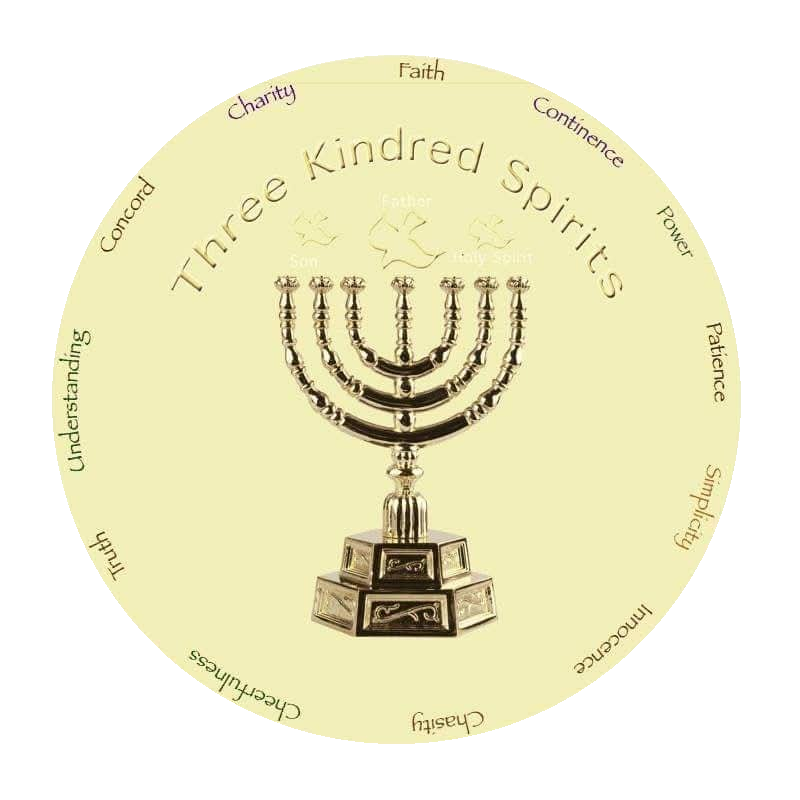
Every reader who knew the Scriptures pictured the menorah — the seven-branched lampstand of pure gold in the tabernacle, hammered from one piece, with seven lamps to give light in the holy place (Exod 25:31-37). Zechariah saw the same lampstand in vision: “and behold, a lampstand of gold, all of it” (Zech 4:2). Seven golden lampstands — and Yehoshua standing in the midst of them.
1:13 — “one like a son of man… clothed in a robe reaching to the feet and girded at the breasts with a sash golden”
“Like a son of man” comes straight from Daniel’s night vision: “and behold, with the clouds of heaven, like a son of man” (Dan 7:13). The long robe and the golden sash were the dress of priests and kings — garments of dignity and office; the high priest’s vestments are ordered piece by piece in Exodus 28.
1:14 — “the head of him and the hairs white as wool white, as snow, and the eyes of him as a flame of fire”
Daniel saw the same figure on the throne: “the hair of his head was like wool, pure” (Dan 7:9). In the ancient world, white hair meant age and honor — “the hoary head is a crown of glory” (Prov 16:31). Eyes “as a flame of fire” — a gaze that sees through everything.
1:15 — “the feet of him like fine bronze, as in a furnace having been fired, and the voice of him as a voice of many waters”
Fine bronze, fired in a furnace — the bronze-smith’s craft, metal glowing and purified by fire. Bronze meant strength that does not bend. And “a voice as a voice of many waters”: Ezekiel heard the same sound — “his voice was like the sound of many waters” (Ezek 43:2) — the roar of a great river or the sea.
1:16 — “holding in the right hand of him seven stars, and out of the mouth of him a sword double edged, sharp, going forth”
The right hand was the hand of strength and authority — “Your right hand, YudHeyVavHey, is glorious in power” (Exod 15:6). To hold the seven stars in the right hand is to hold them under His power. The sword from the mouth: Isaiah’s servant — “he made my mouth like a sharp sword” (Isa 49:2). “And the appearance of him as the sun shines in the power of it.”
1:17-18 — “I have the keys of the death and of the Hades”
In the ancient world, whoever held the keys controlled what was locked — the jailer held the keys of the prison. Isaiah heard the same promise of authority: “I will set the key of the house of David on his shoulder” (Isa 22:22). The keys of death and of Hades — the place of the dead — are in His hand. “Do not fear.”
WHERE THIS HAPPENED: John received this on Patmos (Rev 1:9) — a small rocky island in the Aegean Sea, off the coast of what is today Turkey — and wrote to the seven assemblies in the Roman province of Asia, on the mainland coast and inland, in what is today western Turkey.
Watch the teaching:
Then watch the companion study:

